Volturi: A Pedigree Built on Deep Foundation Bloodlines
By
Heidi
Inside the pedigree of Volturi, bred by one of reining’s most influential breeding programs.
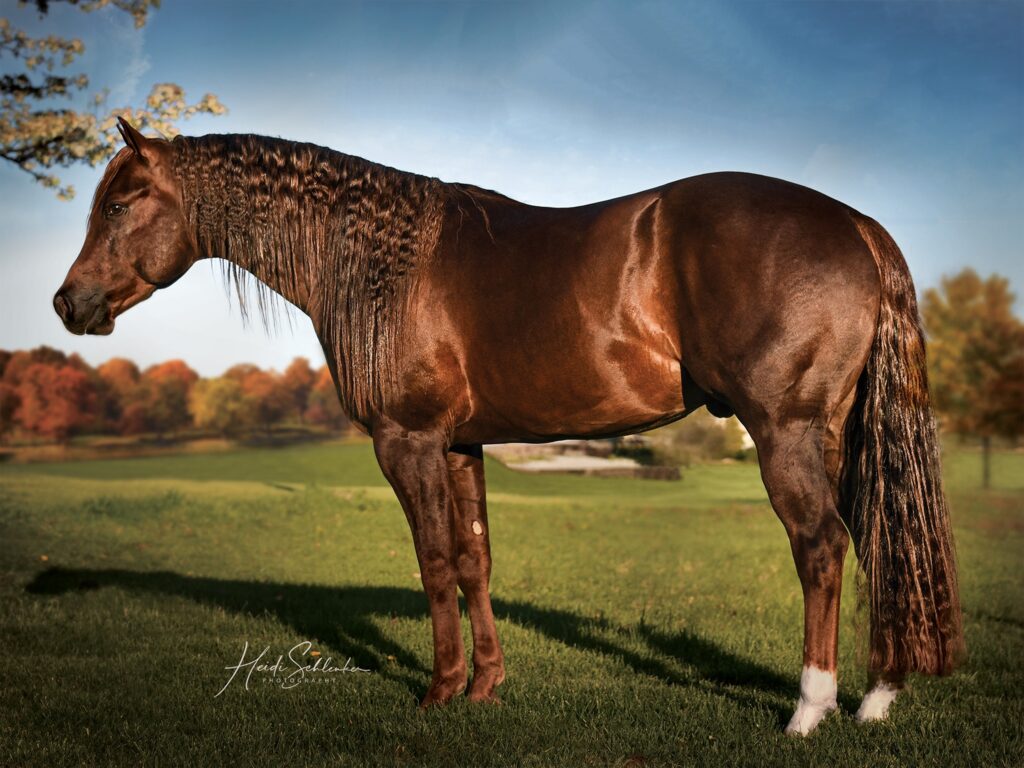
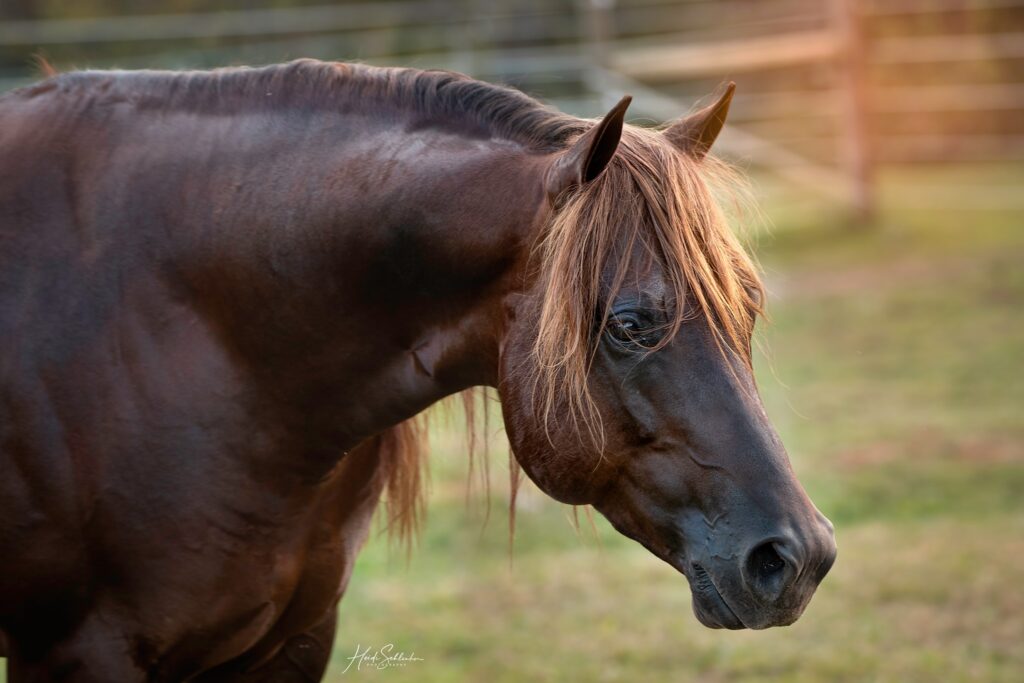
Not every stallion earns attention because of a futurity title or a million-dollar offspring record. Some become noteworthy because they represent decades of disciplined breeding decisions made by the people who shaped the modern reining horse. Volturi is one of those horses. Bred by legendary horseman Bob Loomis, whose breeding program helped shape modern reining through influential horses such as Topsail Whiz, inducted into the AQHA Hall of Fame in 2022, and became one of reining’s major sires, with industry sources identifying him as the first reining stallion to surpass the $12 million sire mark. Volturi represents decades of disciplined selection for athleticism, trainability, structural correctness, and long-term production.
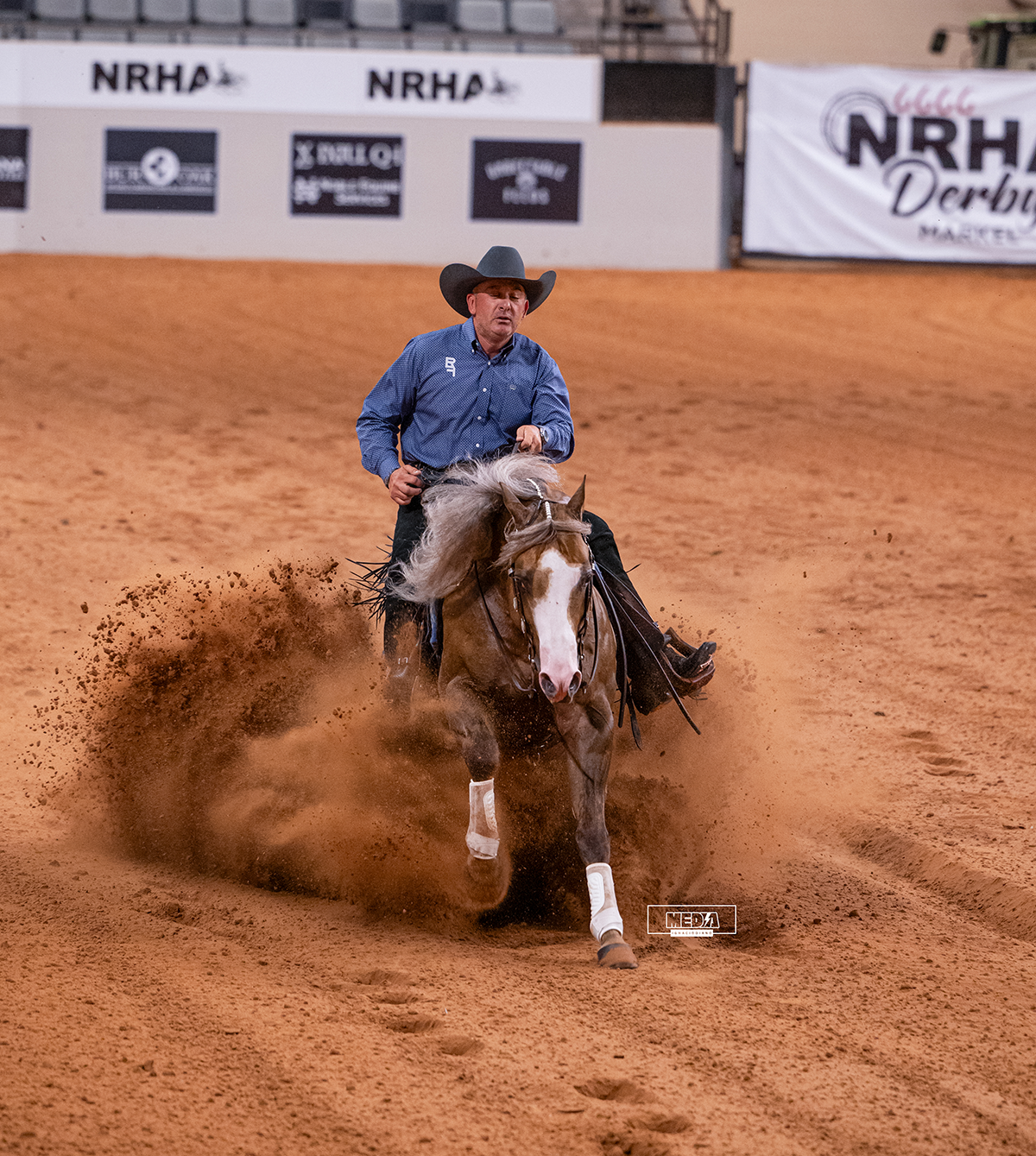
Volturi has already established his own credentials as a two-time National Champion, but show records alone tell only part of the story. The more important question for breeders is whether the pedigree behind those accomplishments possesses the structure to reproduce those same qualities in the next generation. That is precisely the question the Quarternicks Hall of Fame and Trait Analysis™ was designed to answer.
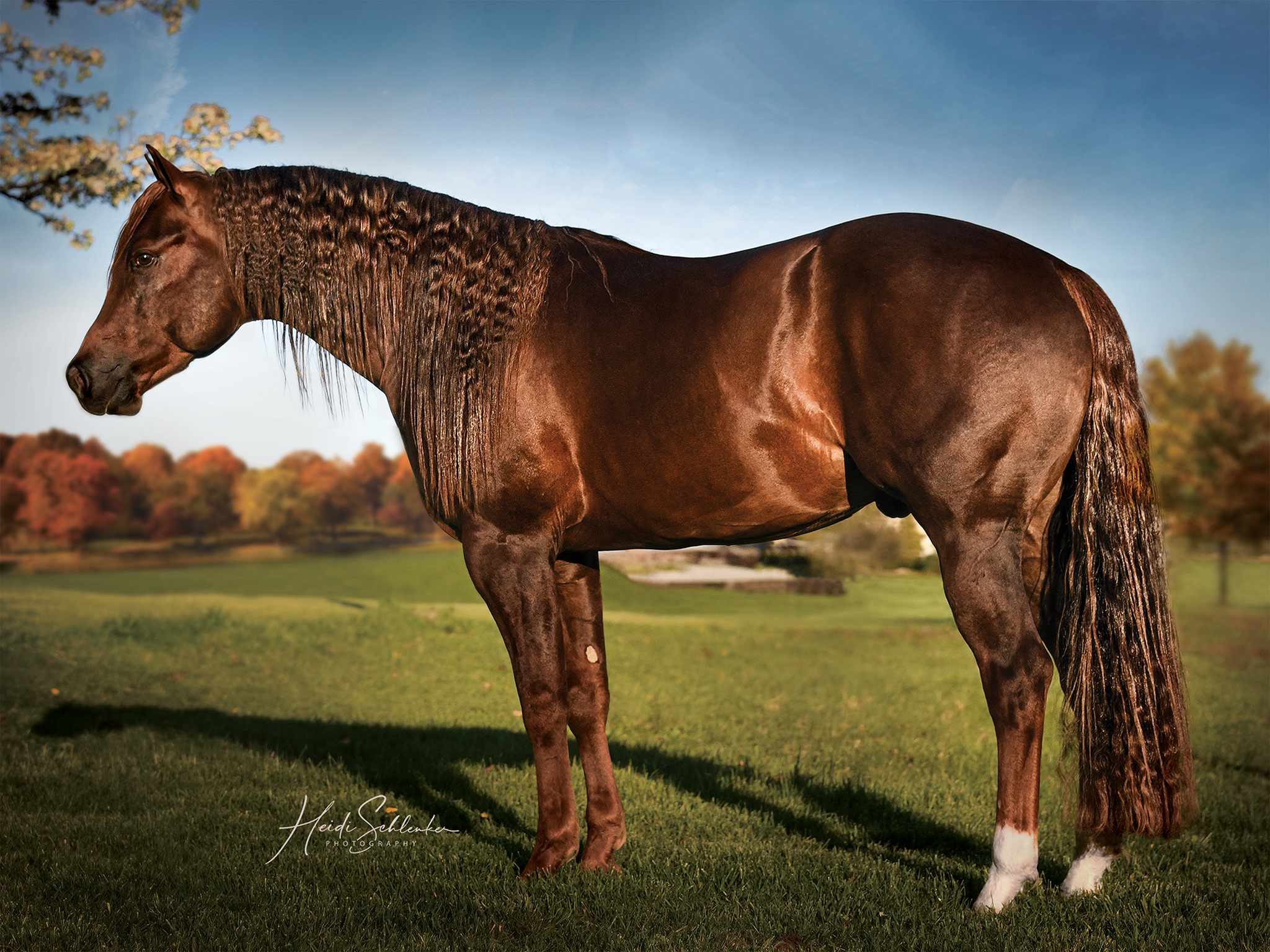
Volturi is a 2017 AQHA liver chestnut reining stallion by Smoking Whiz out of Suprize Me Mercedes, and his pedigree is unlike most you will find in the reining or cow-horse pen. While many modern performance stallions carry a tight cluster of repeated names in the close generations, Volturi’s Hall of Fame influence runs deep across twenty generations, drawing from an unusually wide pool of elite Quarter Horse foundation bloodlines. That depth, and what it means for the foals he produces, is exactly what the Quarternicks Hall of Fame and Trait Analysis™ measures and explains
His full Hall of Fame and Trait Analysis™ is available in the flipbook below. This post covers the key metrics and trait highlights. For the complete structural breakdown, including all family complexes, Colt and Filly Factor classifications, and the full Breeder Takeaway, read the report. You can also read our Hall of Fame pedigree analysis for Adios Pantalones to see how two very different pedigree builds compare side by side.
Stallion Profile
Name
Volturi
Year
2017
Breed
AQHA, APHA, PtHA, FQHA, NFQHA
Color
Liver Chestnut
Sex
Stallion
Sire
Smoking Whiz
Dam
Suprize Me Mercedes
Analysis Date
February 6, 2026
How Deep Are the Hall of Fame Bloodlines in Volturi?
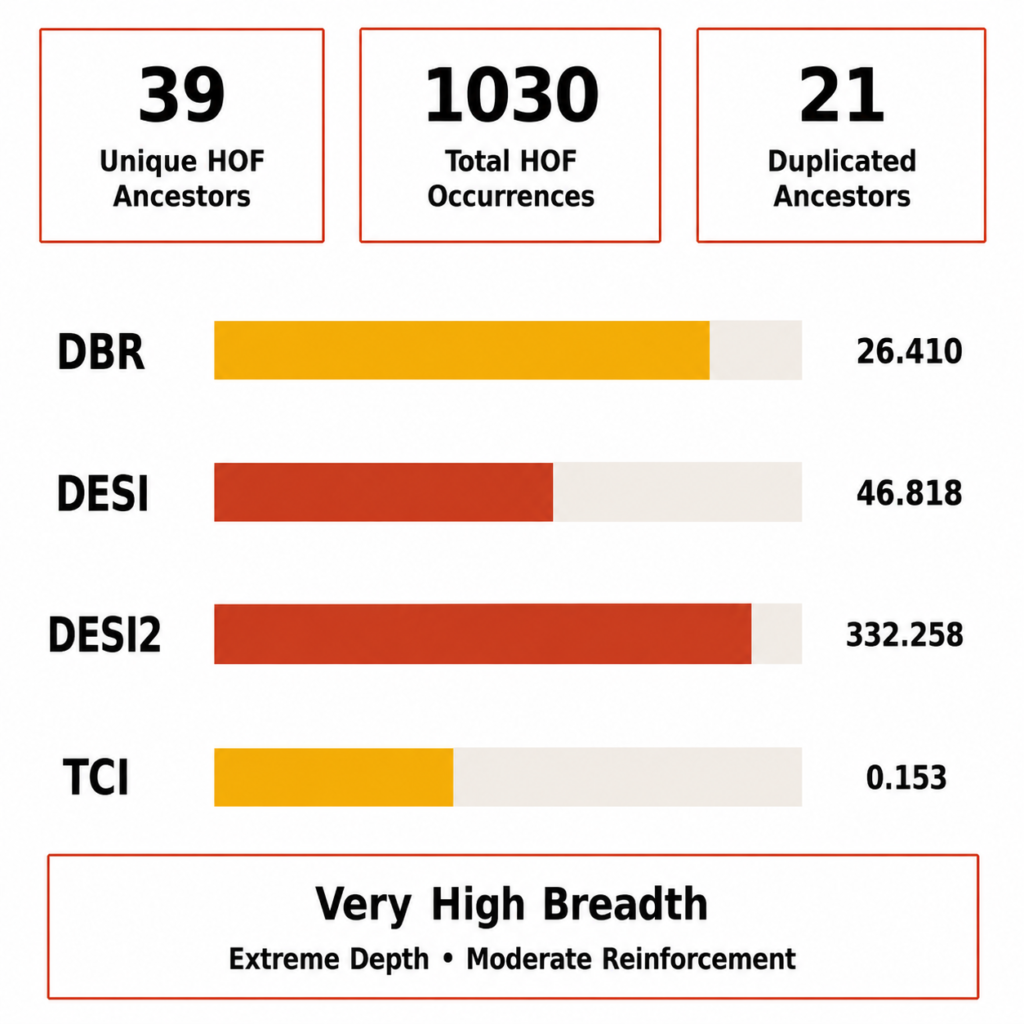
This is the question the Quarternicks Hall of Fame & Trait Analysis™ answers with hard numbers. Volturi carries 39 unique Hall of Fame ancestors across twenty generations and 1,030 total Hall of Fame occurrences, placing him in the Very High Breadth and Extreme Depth tiers. For context, most high-performing reining and cow-horse pedigrees land in the Moderate Depth range. Volturi is more than double that floor.
Supporting Indices
The distinction between breadth and depth is important. Breadth measures how many different Hall of Fame contributors are represented in the pedigree, while depth measures how often those contributors recur throughout the twenty-generation structure. Volturi is not merely carrying one or two influential close-up ancestors. He is carrying a deep, repeatedly reinforced foundation of Hall of Fame bloodlines that continues to shape the structure beneath the modern reining pedigree.
The Extreme DBR of 26.410 tells us that Volturi’s 1,030 total occurrences are being generated from only 39 unique contributors. That density of repetition per unique ancestor is characteristic of foundation-heavy pedigrees with deep, multi-generation recycling of a contained set of elite bloodlines. The gap between DBR and Metric 3 is the clearest numerical expression of the reservoir-dominant profile: the repetition is happening deep, not close.
The TCI of 0.153 places Volturi in the Broadly Distributed tier, a sharp contrast to most performance pedigrees of this depth. Despite carrying Extreme Depth and Very High Breadth, the Hall-of-Fame-weighted trait signal is spread across multiple functional categories rather than concentrated into a single primary lane. No single functional category owns enough of the total signal to dominate.
What Traits Does Volturi Carry?
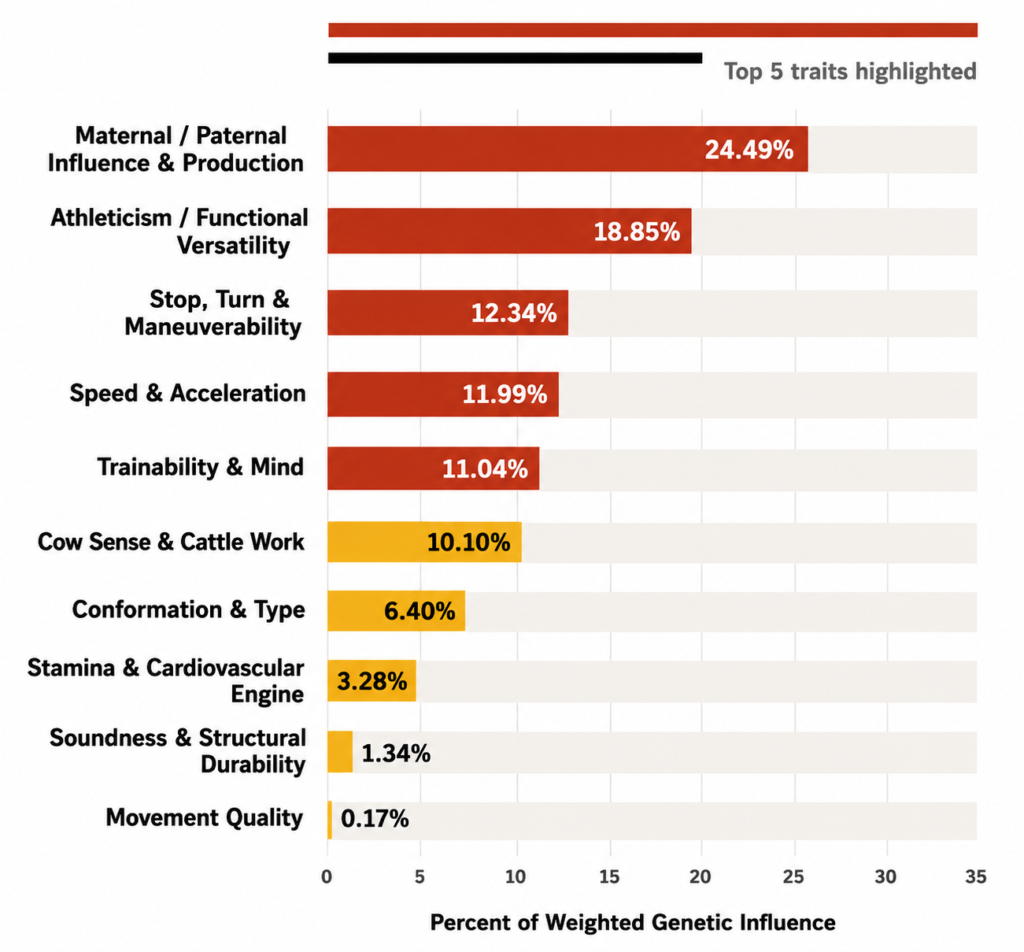
The trait profile for Volturi is led by production and athleticism, with a strong reining-specific signal coming from the close pedigree. His top five traits together account for nearly 79% of the total Hall-of-Fame-weighted signal, and they cover enough ground to support multiple western performance disciplines rather than pointing exclusively at one
The production signal at 24.49% is driven by breadth, not a single dominant name. Traveler (330 occurrences), Peter McCue (326 occurrences), and Old Sorrel (86 occurrences) anchor the deep foundation, while Leo, Royal King, Two Eyed Jack, and Blondy’s Dude build a production signal that accumulates across generations at a level that outweighs any single performance category. The Stop, Turn and Maneuverability signal at 12.34% reflects the specific reining emphasis of the close pedigree, driven by Topsail Whiz at generation 2. As the leading AQHA and NRHA reining sire, Topsail Whiz is the single highest-percentage contributor in the entire pedigree at 25.00%, and his position as Volturi’s direct grandsire means that reining-specific signal arrives with more generational weight than any other influence in the pedigree.
The Volturi Pedigree Close-Up: Two Precisely Positioned Inbreeding Patterns
Despite 21 ancestors repeating within eight generations, Volturi carries a coefficient of inbreeding of only 2.1174%. That figure is low relative to what tight close-range linebreeding would produce, because five of those 21 duplicated ancestors are one-sided concentrations that deepen the pedigree on one side without creating cross-pedigree inbreeding pressure. The close pedigree is organized, not compressed.
Two inbreeding patterns sit at the heart of the close pedigree. The first is a 4×4 Tesio-style convergence to Crome Plated Jac, realized through daughter Miss Glenda Jac on the sire’s side and son Custom Crome on the dam’s side. This is the highest-weighted contributor in the pedigree at 13.68% and represents the most structurally precise form of sex-balanced linebreeding. The second is a 4×6 sex-balanced pattern to Joe Cody, connecting Volturi’s tail-male line through Topsail Cody to the dam’s lineage through April King Cody, tying the reining sire foundation directly into both sides of the pedigree. Both patterns sit atop a large interconnected family complex of 10 ancestors organized around the King/Zantanon line, and a vast deep foundation where Traveler and Peter McCue alone account for more than 63% of the total Hall of Fame occurrence count.
The full Volturi report covers HOF occurrences across all 20 generations, the complete duplicated ancestor mechanics, all family complexes, Colt and Filly Factor classifications for all 21 duplicated ancestors, and a complete Breeder Takeaway with mapped reinforcement lanes. Read the full analysis in the flipbook above or open it here.
Colt & Filly Factor Summary
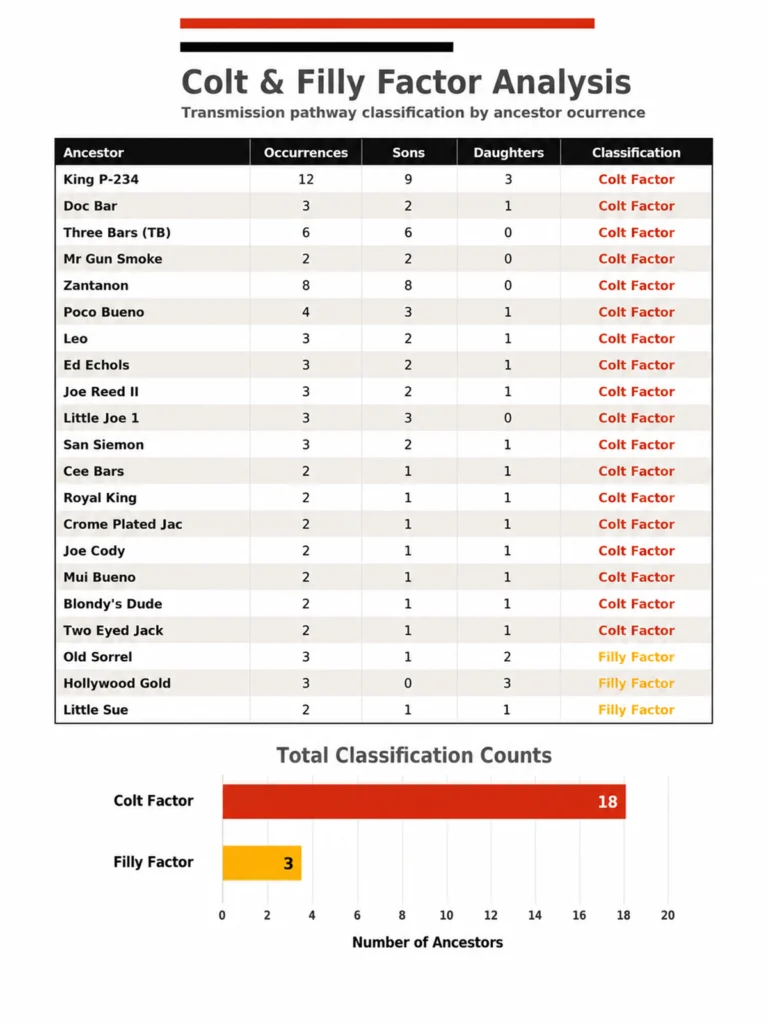
Volturi’s Colt and Filly Factor profile is sire-line and performance transmission. Of the 21 duplicated ancestors within the first eight generations, 18 classify as Colt Factor, three classify as Filly Factor, and none classify as Balanced.
The Colt Factor concentration extends across the major family complexes in the pedigree, including the King/Zantanon group, the Three Bars and Doc Bar speed complex, and the Joe Reed II and Leo complex. King P-234, Zantanon, Poco Bueno, Ed Echols, Little Joe 1, San Siemon, Cee Bars, Royal King, Joe Cody, and Crome Plated Jac all classify as Colt Factor within the King/Zantanon complex. Three Bars and Doc Bar also classify as Colt Factor, as do Joe Reed II, Leo, and Mr Gun Smoke. This creates a close pedigree that leans decisively toward sire-line transmission and performance expression.
The three Filly Factor ancestors are Old Sorrel, Hollywood Gold, and Little Sue. Old Sorrel’s three occurrences split one son pathway to two daughter pathways, Hollywood Gold’s three occurrences run entirely through daughters, and Little Sue reaches Filly Factor because she is a female ancestor with a mixed son-and-daughter conduit set. These three Filly Factor ancestors sit outside the major named family complexes, and two of the three are concentrated on a single side of the pedigree rather than distributed cross-pedigree.
The structure is heavily weighted toward Colt Factor reinforcement, with Filly Factor influence present but structurally limited. That makes Old Sorrel, Hollywood Gold, and Little Sue the most important female-line reinforcement points to evaluate when selecting a complementary mare.
Breeder Takeaway
Volturi’s value as a breeding stallion extends well beyond his own accomplishments as a two-time National Champion. The Quarternicks Hall of Fame & Trait Analysis™ identifies a pedigree built on Very High Breadth, Extreme Depth, and one of the strongest production signals in our database. Those metrics alone would make Volturi an intriguing breeding prospect, but the Colt & Filly Factor analysis adds another important layer of interpretation.
Rather than presenting a balanced transmission profile, Volturi’s close pedigree resolves decisively toward Colt Factor. Eighteen of the twenty-one duplicated ancestors classify as Colt Factor, while only three classify as Filly Factor and none classify as Balanced. That pattern extends across every major family complex in the pedigree, including the King/Zantanon group, the Three Bars and Doc Bar speed complex, and the Joe Reed II and Leo complex. Together, those complexes reinforce sire-line transmission throughout the close pedigree rather than distributing influence evenly between sire and female families.
The three Filly Factor ancestors, Old Sorrel, Hollywood Gold, and Little Sue, become disproportionately important because they represent the only concentrated female-line reinforcement within the duplicated ancestor network. None belong to the major family complexes driving the pedigree, and two are confined to a single side of the pedigree. For breeders, those three mares become the primary structural reference points when evaluating complementary mares capable of strengthening female-family influence without disrupting the existing performance architecture.
Volturi therefore offers more than a modern reining pedigree. He offers a pedigree whose performance signal is reinforced repeatedly through sire-line transmission while remaining supported by one of the deepest Hall of Fame reservoirs we have analyzed. Breeders seeking to preserve that performance architecture should evaluate mares that complement, rather than duplicate, Volturi’s already dominant Colt Factor profile. The complete Hall of Fame & Trait Analysis™ provides the mapped reinforcement lanes, family complexes, and duplicated ancestor mechanics needed to make those mating decisions with greater confidence.
Follow Volturi
Want to keep up with Volturi? Visit his official website at volturi.net and follow Fox Creek Performance Horses on Facebook.
Disclaimer
This analysis is part of the Quarternicks Hall of Fame & Trait Analysis™ series. The methodology builds on the framework developed by Susan Larkin and uses updated AQHA Hall of Fame data through 2025. Results represent pedigree structure and genetic tendency, not a guarantee of individual performance outcomes. All breeding decisions should be evaluated alongside conformation, soundness, temperament, health, and the breeder’s specific goals.
What Makes a Pedigree More Than Just a Name List? In the realm of horse breeding, Adios Pantalones represents a key concept that enthusiasts should not overlook. Outcrossing! When a horseman looks at a pedigree, they see names. When a geneticist looks at the same pedigree, they see probability. The Quarternicks Hall of Fame and […]
Inbreeding and linebreeding in horses refer to the concentration of shared ancestry within a pedigree to reinforce genetic influence. While inbreeding focuses on closer duplications and linebreeding spreads influence across deeper generations, both strategies shape how traits are expressed, transmitted, and stabilized. Pedigree structure determines whether that concentration produces consistency or amplifies weaknesses.
Wright’s Coefficient of Inbreeding (COI) estimates the probability that an individual inherits identical alleles from both the sire and dam due to shared ancestry. It is a measure of genetic relatedness within a pedigree, not a measure of quality, performance, or desirability. As inbreeding increases, so does the likelihood of homozygosity, which can influence trait expression, reproductive outcomes, and overall fitness. COI quantifies how much genetic material is shared… but pedigree structure determines what is actually being passed on.
To provide the best experiences, we use technologies like cookies to store and/or access device information. Consenting to these technologies will allow us to process data such as browsing behavior or unique IDs on this site. Not consenting or withdrawing consent, may adversely affect certain features and functions.
Functional
Always active
The technical storage or access is strictly necessary for the legitimate purpose of enabling the use of a specific service explicitly requested by the subscriber or user, or for the sole purpose of carrying out the transmission of a communication over an electronic communications network.
Preferences
The technical storage or access is necessary for the legitimate purpose of storing preferences that are not requested by the subscriber or user.
Statistics
The technical storage or access that is used exclusively for statistical purposes.The technical storage or access that is used exclusively for anonymous statistical purposes. Without a subpoena, voluntary compliance on the part of your Internet Service Provider, or additional records from a third party, information stored or retrieved for this purpose alone cannot usually be used to identify you.
Marketing
The technical storage or access is required to create user profiles to send advertising, or to track the user on a website or across several websites for similar marketing purposes.